
1804 Attainment of freedom of worship 23
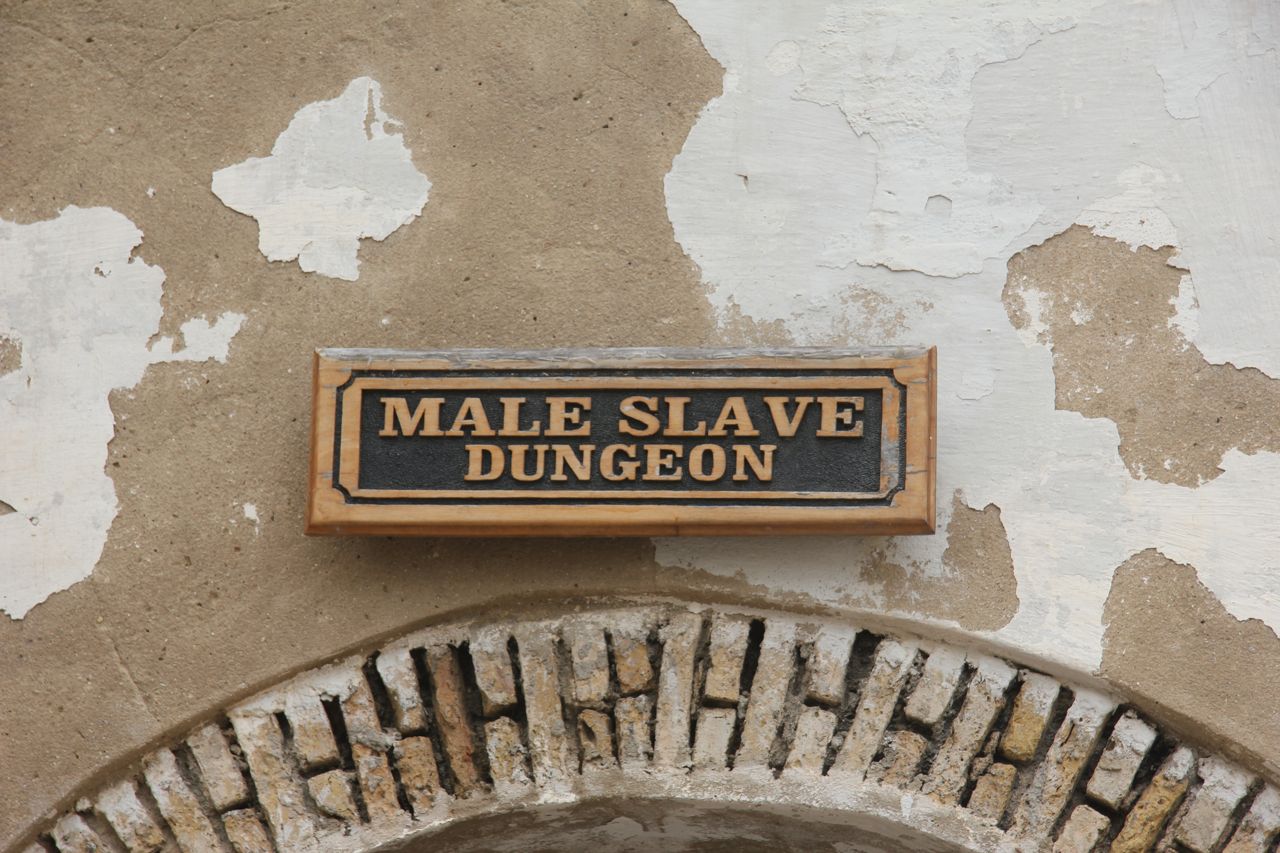
By 1804, the number of the Vryezwarten or Free Blacks, majority of whom were Muslims, had reached such significant proportion that the Dutch rulers changed their policies in order to enlist their support, pending the British invasion of the Cape. They granted religious freedom to the Vryezwarten. Thus on July 25, 1804 the patience and perseverance of the Cape Muslims was rewarded when religious freedom was permitted for the first time at the Cape of Good Hope.
Prior to this, the Cape Muslims, in practising their religion, were severely restricted by the Statutes of India: a set of laws particularly aimed at restricting the religious practices of the Muslims of the Batavian Empire of which the Cape formed a part.
Commander de Mist published Ordinance 50, which declared equal legal protection to all religious societies. However, these religious societies were still required to obtain permission from the Cape Governor for the construction of places of worship.
Courtesy: http://www.sahistory.org.za/archive/1804-1899
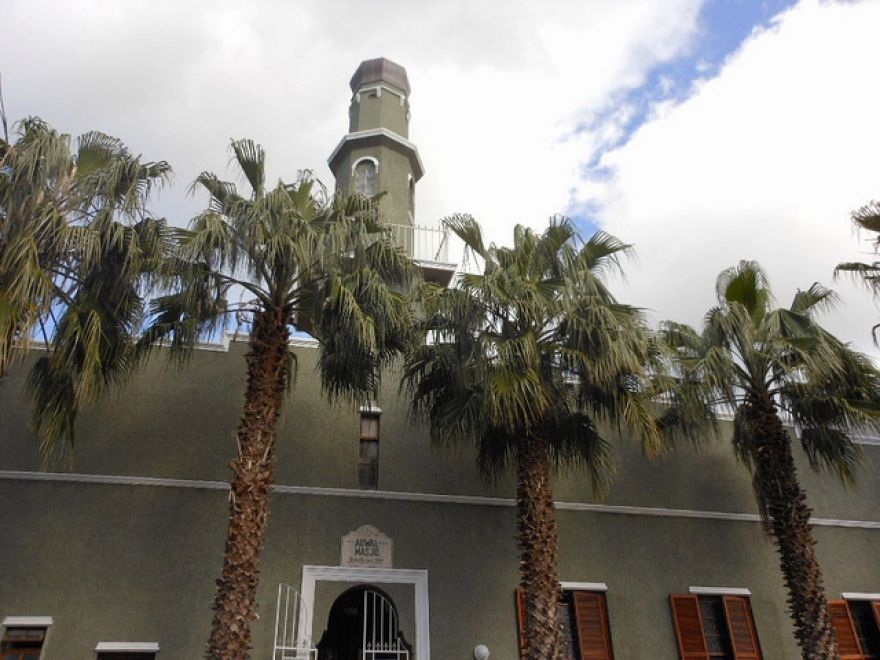
25 July 2014 marks the 210th anniversary since the unbanning of Islam in South Africa and religious freedom. 2014 also marks the 20th anniversary of democracy in South Africa with much more freedom especially for religion, culture, and language in a non-racial, non –sexist. As Muslims, we celebrate both. The first signifies a major breakthrough for the descendents of slaves and political exiles to enable them to worship in public for the first time in their history since the arrival of Jan van Riebeeck in 1652 followed by the mass importation of slaves and political exiles by the Dutch colonialists of the then Cape Colony. The second signifies our struggle against apartheid, injustice, and apartheid. We remind ourselves on these occasions of the great sacrifices made by our forbears and those involved in the struggles against slavery, colonisation and apartheid.
Awqaf South Africa led the Bicentennial Commemoration in 2004 – on the 200th anniversary of the unbanning of Islam in South Africa (coinciding with the 10th year since the birth of a democratic South Africa).
In light of this momentous occasion, Awqaf South Africa implores all Muslim organizations, institutions – including mosques, schools, maressahs, darul ulooms – to recapture our history, struggle and envision our future in this beloved country of ours. This may be done in several ways eg branding events with the Bicentennial +10 logo, art competitions, speech contests, public lectures, khutbahs, short courses, radio and television programmes, and more.
For further information, kindly contact Mickaeel Collier on 082 216 4269